
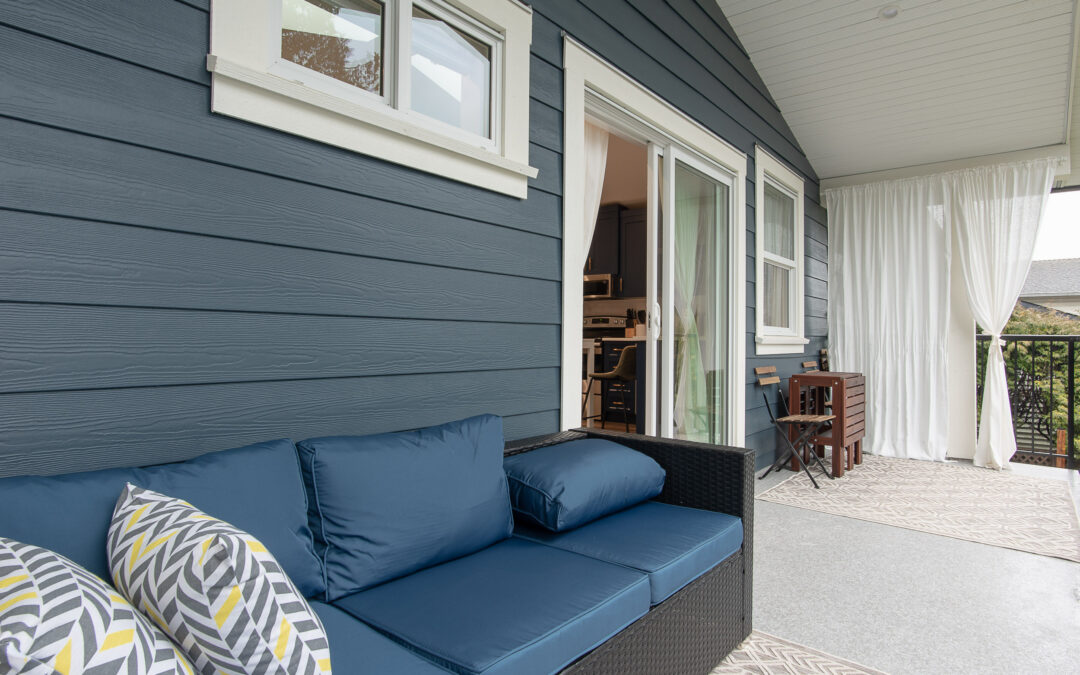
Why Are Homeowners Choosing Multi-Generational Housing in Langley?
There are a multitude of reasons why a person might choose to purchase or build a multigenerational home in the Langley area. Families may want to live close together for convenience, safety, or financial interests.
What Should You Know About Multi-generational Housing and ADUs in Langley?
Recent BC housing legislation and evolving municipal policies have created new opportunities for homeowners to add housing on existing properties. Alongside these changes, interest in the multi-generational housing Langley offers continues to grow as families look for practical ways to stay close while managing housing costs.
Whether you are planning for aging parents, helping adult children stay local, or exploring an ADU project, understanding your options is the first step. This guide explains what homeowners need to know and how Bowline Construction can help.
What Is Multi-Generational Housing?
Multi-generational housing in Langley is a living arrangement in which multiple generations of the same family live on one property. This may include grandparents, parents, adult children, or extended family members.
Families across Langley are choosing this approach because it offers:
- Lower housing costs per household
- More support for aging parents
- Independent living space for adult children
- Shared property expenses
- Long-term flexibility as family needs change
Bowline Construction specializes in creating custom living solutions that allow families to remain connected while maintaining privacy and independence. Our multigenerational home design service helps homeowners create functional living spaces that support changing family needs.
How Are Langley Homeowners Creating Flexible Family Living Spaces?
Many homeowners are turning to secondary suites, additions, coach homes, and detached dwellings to adapt existing properties for family use.
Bowline Construction has seen growing demand for multi-generational living spaces like legal secondary suites. These solutions often provide separate kitchens, entrances, and living areas under one property ownership, which allows families to stay together while preserving privacy.
As housing affordability remains a concern, multi-generational housing has become one of the most practical ways for families to build long-term stability.
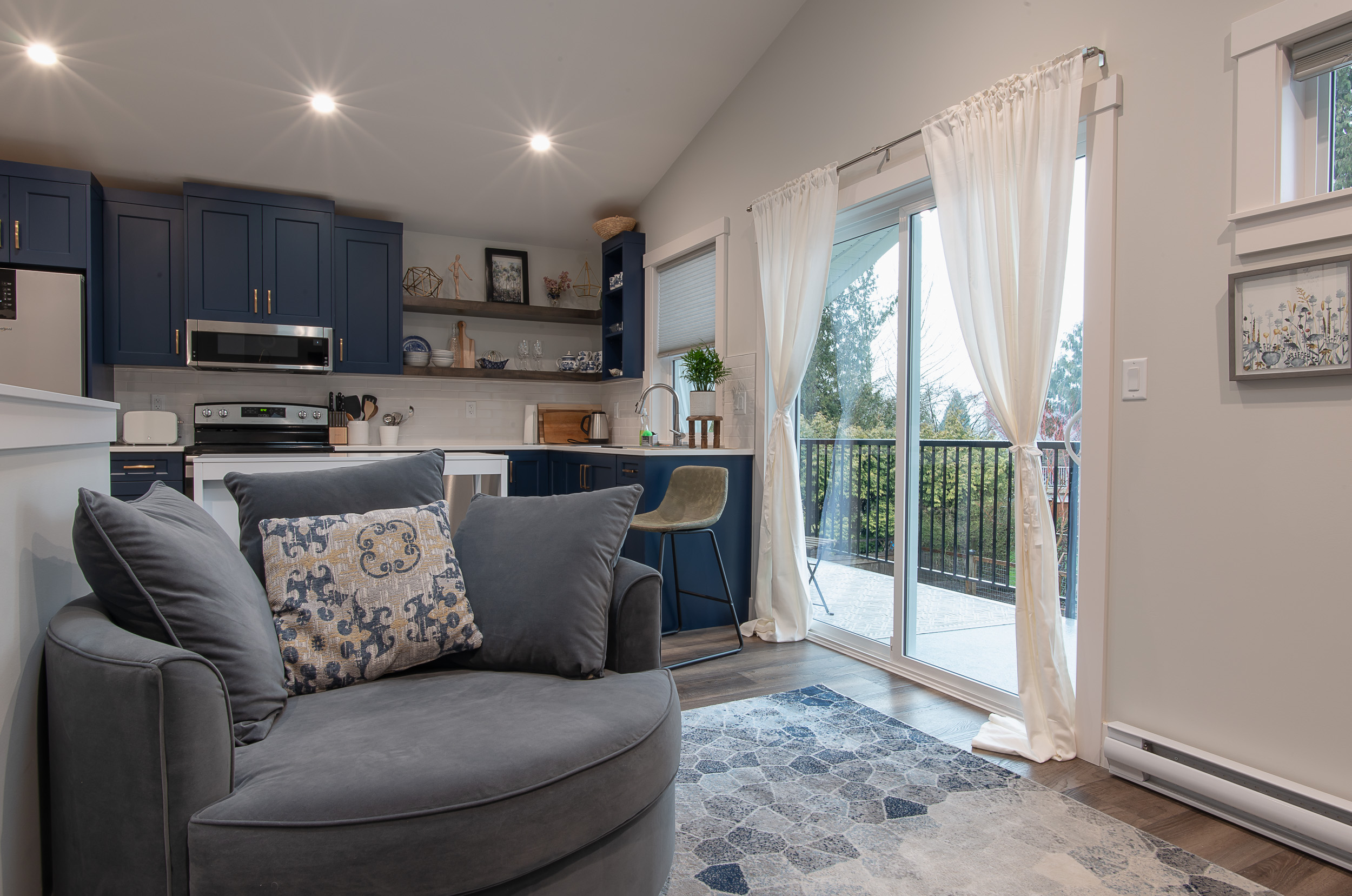
What Is an ADU?
An ADU is a secondary residential unit located on the same property as a primary residence. It can be:
- Attached to the main home
- Built above a garage
- Constructed as a detached backyard home
- Integrated into a home addition
What Is a Coach Home?
Although the terms are often used interchangeably, a coach home and a coach house are not always the same thing. In many British Columbia municipalities, a coach home refers to a self-contained living space built above or attached to a detached garage.
A coach home that Langley property owners build provides an independent living space while making efficient use of the existing garage footprint and preserving the privacy of the main residence.
What Is a Coach House?
A coach house project usually refers to a detached secondary unit located on the same property as the primary dwelling. Unlike a coach home, a coach house is often a standalone structure rather than a suite above a garage.
The exact definitions can vary by municipality, but the key distinction is that a coach home is generally built over a garage, while a coach house is more commonly a separate detached dwelling.
Understanding BC’s New Small-Scale Multi-Unit Housing (SMUH) Rules
BC’s housing legislation has introduced small-scale multi-unit housing (SMUH) opportunities for many homeowners.
The goal is to increase housing supply by allowing more residential units on properties that previously supported only a single-family home.
Key changes include:
- More housing density on eligible residential lots
- Increased opportunities for ADUs
- Expanded options for family housing
- Greater flexibility for property owners
While the province sets the framework, local governments still determine details related to zoning, servicing, setbacks, and approvals. Homeowners should expect municipal interpretations to continue evolving as new regulations are implemented.
What Can You Build on Your Property in Langley?
The answer depends on several factors.
Eligibility is influenced by:
- Current zoning
- Lot size
- Property dimensions
- Utility servicing
- Environmental constraints
- Municipal approvals
Depending on the property, homeowners may be able to build:
- Detached ADUs
- Coach homes
- Secondary suites
- Home additions
- Multiple residential units
- New custom homes
Some large-acreage properties may offer additional opportunities compared to smaller urban lots.
Because Langley zoning continues to evolve, property-specific review is essential before beginning design work.
Why Families Are Choosing ADUs Instead of Moving
Many homeowners ask whether they should move or simply add housing to their existing property. For many families, an ADU creates a better solution.
Common questions homeowners may ask include:
Can I Build for Aging Parents?
Yes. Many families create independent living spaces for parents who want privacy but may need occasional support. An ADU allows family members to remain close without sacrificing independence.
Can I Build for Adult Children?
Yes. Rising housing costs have made it difficult for many young adults to purchase homes locally.
Recently, a Surrey homeowner asked Bowline Construction to explore adding multiple dwelling units on a single property, so her adult daughters and grandchildren could continue living nearby as housing affordability challenges made it difficult for them to move into their own homes. A detached ADU or coach house can provide affordable family housing while maintaining separate living spaces.
Can Families Pool Resources and Live Together?
In many cases, families use ADUs to share property costs and make better use of existing land. This approach can help reduce housing expenses while allowing multiple generations to support one another.
Can Families Create a Multi-Home Property?
In some situations, families use new housing opportunities to create a family-focused property that supports several generations living together. In another project with Bowline Construction, a South Langley homeowner wanted to create a family compound on her five-acre property by adding space for her elderly mother and her brother’s family. The goal was to keep everyone close while sharing caregiving responsibilities.
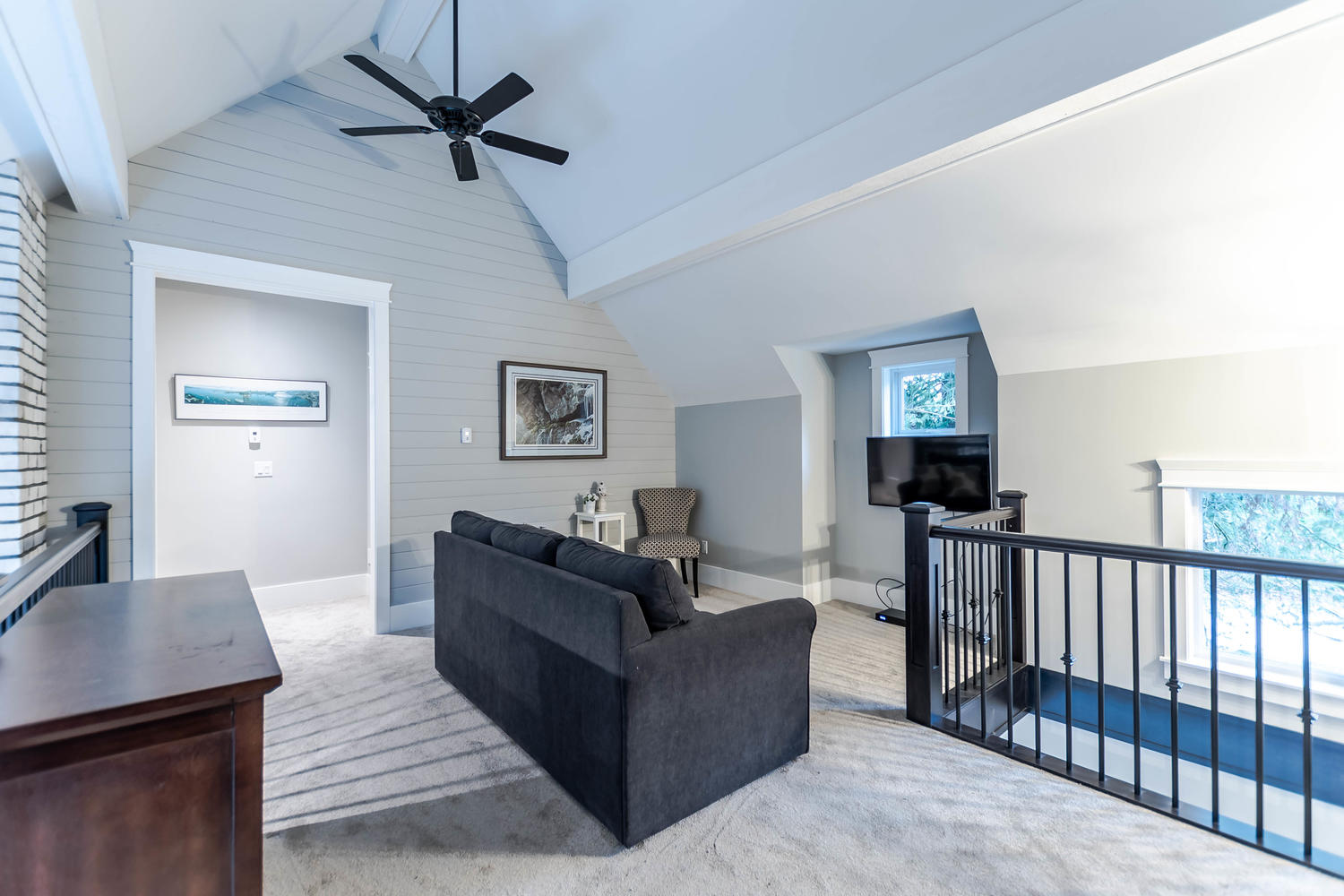
ADU vs. Condo in Langley: What Makes Sense?
For many homeowners, the biggest question is whether building an ADU makes more sense than purchasing a condo.
| Issue | ADU | Condo |
|---|---|---|
| Ownership | On your property | Separate property |
| Privacy | Higher | Shared building |
| Outdoor Space | Often available | Limited |
| Family Proximity | Immediate | Separate location |
| Flexibility | Multiple future uses | Fixed use |
| Issue | ADU | Condo |
|---|---|---|
| Long-Term Control | Greater control | Subject to strata rules |
An ADU can provide housing flexibility while remaining connected to your existing property. A condo may work for some families, but it does not offer the same integration as multi-generational living.
Can an ADU Generate Rental Income?
An ADU can generate rental income, which may help offset ownership costs. However, homeowners should avoid relying on specific income projections. Rental performance always depends on market conditions, regulations, and individual property factors.
The biggest advantage is flexibility. An ADU can serve different purposes throughout its lifespan.
How Much Does It Cost to Build an ADU in Langley?
There is no universal price because each project is unique. Cost drivers can include:
- Building size
- Site access
- Utility connections
- Foundation requirements
- Design complexity
- Finishes and materials
- Permitting requirements
Properties with challenging terrain or servicing requirements may involve additional costs.
Bowline Construction uses a structured design-build approach that helps homeowners understand project scope, budgeting, and feasibility before construction begins.
How Long Does It Take to Build an ADU?
Every project follows a different timeline. Typical phases can include:
Design
The design phase involves planning, drawings, and project development. Timeline requirements vary based on project complexity.
Permitting
Municipal review timelines can vary significantly. In many cases, permitting can take longer than physical construction.
Construction
Construction timelines depend on:
- Building size
- Weather conditions
- Site preparation
- Trade availability
- Inspection schedules
The best approach is to begin planning early and allow time for approvals before construction starts.
How Bowline Construction Helps Homeowners Navigate ADU Projects
Regulations, zoning requirements, and permitting processes can feel overwhelming.
Bowline Construction simplifies the process through a design-build approach that combines planning, coordination, and construction management under one team. Our process includes early consultations, budgeting guidance, design coordination, permitting support, and project management throughout construction.
Homeowners benefit from:
- Design-build project delivery
- Municipal coordination
- Permit management assistance
- Fixed-price project planning
- Construction management
- Ongoing communication
Because regulations surrounding SMUH, ADUs, and coach homes continue to evolve, having an experienced builder involved early can help avoid costly delays and redesigns.
Learn About Our Team and Local Experience
Successful ADU and multi-generational housing projects require local knowledge.
Before starting a project, homeowners can learn about us and see how Bowline Construction has helped families throughout Langley create functional living spaces that support changing needs. Bowline Construction has been serving Langley for nearly twenty years and focuses on delivering organized, transparent construction experiences from planning through completion.
FAQs About ADUs and Multi-Generational Housing in Langley
What Is an ADU?
An ADU or Additional Dwelling Unit is a secondary residential dwelling located on the same property as a primary home.
Can I Build a Coach Home on My Property in Langley?
Possibly. Eligibility depends on zoning, lot size, servicing, and municipal requirements. You can contact your local zoning authority to learn about restrictions for your specific property.
What Is SMUH?
SMUH stands for Small Scale Multi-Unit Housing. It refers to BC housing legislation designed to increase residential density on eligible properties.
How Many Units Can I Have on One Property?
The answer depends on current regulations, zoning, lot characteristics, and municipal approvals.
Is an ADU Cheaper Than Buying a Condo?
Every situation is different. An ADU offers benefits such as property control, family proximity, and long-term flexibility that may not be available with condo ownership.
Contact Bowline Construction About Your Langley ADU Project
If you are exploring multi-generational housing in Langley, considering an ADU, or wondering how recent zoning changes affect your property, Bowline Construction can help from the earliest stages of your project.
From initial feasibility reviews to design, permitting, and construction, Bowline Construction provides guidance through every stage of the process. Contact us online to discuss your property and explore the best solution for your family’s future.