

Designing Functional Equestrian Facilities: Tips and Considerations
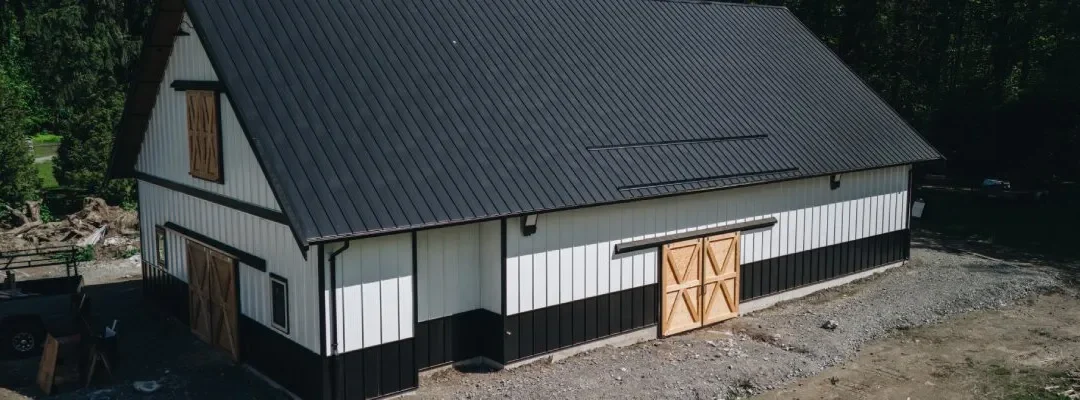
Equestrian Facility Design Strategies for Functional and Efficient Operations
Why Does Design Matter in Equestrian Construction?
Good equestrian facility design directly impacts safety, efficiency, and animal well-being. Horses thrive in calm, predictable environments, and people work better when spaces are intuitive and easy to move through.
At Bowline Construction, we help clients across Langley and the Fraser Valley plan and build equestrian facilities that are practical, durable, and designed to grow with their needs. Thoughtful design also improves long-term usability and property value. Well-planned equestrian facilities are more attractive for resale and professional uses like boarding, training, or breeding operations.
Designing an equestrian facility is about much more than creating a place to house horses. Smart equestrian facility design supports daily efficiency, improves safety, and enhances comfort for both horses and handlers.
Step 1 – Site Selection and Environmental Factors
Choosing the right site sets the foundation for a successful equestrian project. Natural conditions and local regulations play a major role in how well a facility performs over time.
Key considerations include:
- Proper drainage and soil conditions to reduce mud, erosion, and foundation issues
- Wind direction and sun exposure, which help ventilation, natural light, and comfort year-round
- Zoning and permit requirements in British Columbia, which may affect building size, placement, and setbacks
The Government of British Columbia provides guidance on agricultural land use and building requirements that should be reviewed early in the planning phase. Addressing these factors upfront helps avoid costly changes later.
Step 2 – Planning for Daily Workflow and Movement
Efficient equestrian facilities are designed around daily routines. Mapping how horses and people move through a space reduces stress, saves time, and improves safety.
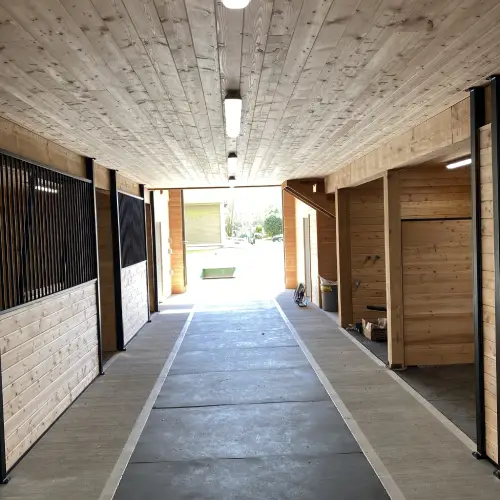
Effective layouts often include:
- Logical placement of feeding, turnout, and grooming areas
- Clear, direct barn-to-arena flow with minimal obstacles
- Defined human versus horse movement zones to reduce congestion
Facilities that prioritize movement flow feel calmer and are easier to manage, especially during busy periods or bad weather.
Step 3 – Key Components to Include
Every equestrian facility should support both animal care and human workspaces. The right mix of components ensures comfort, cleanliness, and efficiency.
Core elements typically include:
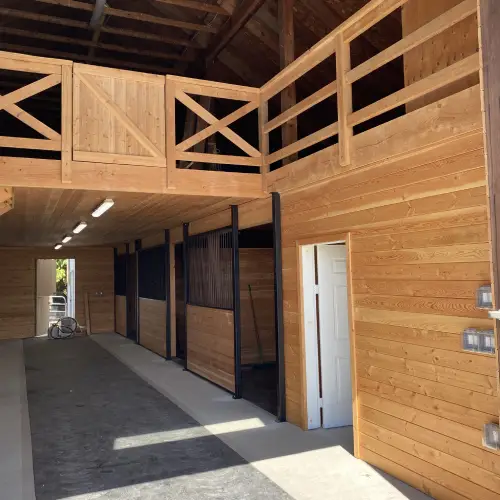
- Stalls sized appropriately with good ventilation and durable flooring
- Dedicated tack rooms, wash bays, and feed rooms located near stalls
- Safe, dry hay storage with easy delivery access
- Covered or indoor riding areas for year-round use
Equine Canada outlines welfare-focused facility considerations that align well with these design principles. Including these components from the start reduces the need for costly retrofits later.
Step 4 – Safety and Comfort Features
Safety and comfort should be built into every part of an equestrian facility. Good design lowers injury risk and creates a healthier environment for horses and handlers.
Important features include:
- Abundant natural light and airflow to support respiratory health
- Fire-resistant materials, proper spacing, and clear exits
- Non-slip surfaces and secure doors, gates, and latches
Canada Building Codes have strict guidelines when it comes to ventilation and fire safety in barn design. These features contribute to peace of mind and long-term usability.
Step 5 – Materials and Maintenance Considerations
Material selection has a direct impact on durability and maintenance costs, especially in Canada’s varied climate. Facilities must withstand moisture, temperature changes, and heavy use.
Smart material choices include:
- Low-maintenance siding and roofing resistant to moisture
- Durable interior finishes that handle frequent cleaning
- Sustainable options, such as energy-efficient lighting or recycled materials
Choosing materials with longevity in mind reduces ongoing upkeep and extends the life of the facility.
Step 6 – Customization for Specific Disciplines
Different riding disciplines require different layouts and features. Customization ensures the facility truly supports how it will be used.
Examples include:
- Dressage facilities with large, open arenas and quiet layouts
- Jumping facilities with higher ceilings and reinforced footing
- Western or trail facilities with outdoor pens and flexible turnout
- Specialty features like round pens, hot walkers, or viewing lounges
Designing for your discipline from the start ensures the facility performs well without compromise.
Budgeting and Working with a Design-Build Partner
Equestrian projects benefit from a phased approach to budgeting. Some elements can be built now, while others can be planned for future expansion.
Working with an experienced design-build contractor helps balance upfront costs with long-term goals. It also simplifies coordination between design, permitting, and construction, reducing delays and unexpected expenses.
Bowline Construction’s Equestrian Expertise
Bowline Construction has completed barn and equestrian projects throughout Langley and the Fraser Valley, combining practical layouts with high-quality craftsmanship. Our team understands local codes, climate considerations, and the unique needs of equestrian operations.
If you’d like to explore similar work, view our equestrian and barn projects, or learn more about our British Columbia-based team and how we approach every build with care and expertise.
FAQs About Equestrian Facility Design
How Do I Know What Size Barn I Need?
The right barn size depends on more than just the number of horses. Stall dimensions, aisle widths, ceiling height, storage space, and daily workflow all play a role. You’ll also want to think about future growth, such as adding more stalls or new features later. Working with a design-build contractor helps ensure the barn meets current needs while allowing room to expand.
What’s the Best Footing for Indoor Arenas?
There isn’t one perfect footing for every facility. Most indoor arenas use a sand base mixed with fibre or rubber additives to improve traction and shock absorption. The best choice depends on your riding discipline, frequency of use, and maintenance plan. Proper drainage and regular grooming are just as important as the footing material itself.
Can I Add Living Quarters Above My Barn?
Yes, living quarters can be added above a barn, but they require careful planning. Structural design, fire separation, sound control, and ventilation all need to meet local building codes. You’ll also want to consider privacy, odour control, and access. An experienced contractor can help determine whether this option makes sense for your property and budget.
Ready to Start Your Equestrian Project?
If you’re planning a new build or renovation and want expert guidance from day one, contact us online to schedule a consultation. Bowline Construction is ready to help bring your equestrian facility vision to life with thoughtful design and lasting quality.